

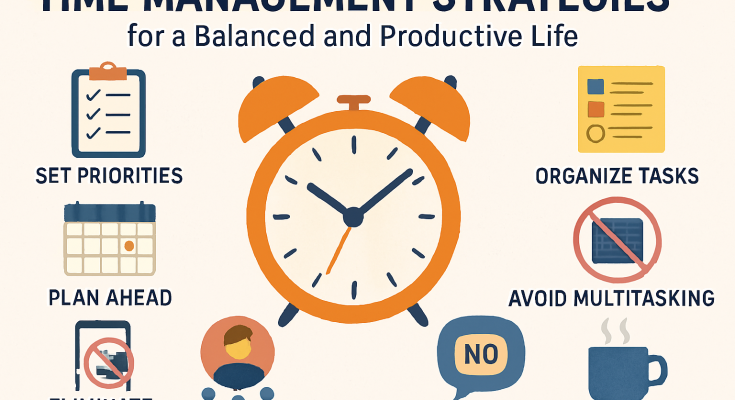
Managing time effectively is one of the biggest challenges we face today. From juggling work responsibilities to personal commitments, the pressure to “fit everything in” often leaves us drained and unproductive. The truth is, productivity isn’t about doing more things; it’s about doing the right things in the right way.
This guide will walk you through practical time management strategies from handling expectations to improving focus, setting priorities, and even learning to say no. By applying these strategies, you can reclaim hours of your day, reduce stress, and work toward your goals with greater clarity.
Why Time Matters More Than You Think
Many of us often feel like we don’t have enough time in a day. But time is not the enemy. it’s how we use it that makes the difference. Time is a human-made concept, a way to organize life. If you approach it with a mindset of abundance rather than scarcity, you’ll realize you already have enough.
Instead of wishing for extra hours, shift your focus to making the best use of the 24 hours you do have. Treat time as your ally, not your opponent. When you value each moment, you naturally make better decisions about how to spend it.
Chapter 1: Handle Expectations
One of the greatest sources of frustration is unmet expectations. Whether it’s colleagues, clients, or even family members and expecting others to act exactly the way we want is a recipe for disappointment.
How to manage expectations effectively:
- Use clear communication: Repeat back what you’ve heard and confirm understanding.
- Accept that people act based on their own knowledge, experiences, and values not yours.
- Remember that others aren’t deliberately trying to upset you; they’re simply being themselves.
When you let go of rigid expectations, you’ll find more peace in your relationships and waste less energy on frustration.
Chapter 2: Get Your Priorities Straight
Without priorities, life becomes chaotic. Priorities act as a compass, guiding you toward your goals and giving meaning to your actions.
Steps to set priorities:
- Reflect on what matters most to you. Imagine yourself 20 years from now, which achievements would make you proud?
- Align your goals with your priorities. For example, if family time is your priority, choose a career path that supports work-life balance.
- Write down your goals and review them often.
- Be flexible, life events like having children or health challenges may shift your priorities. Adjust them accordingly.
Your priorities should be unique to you. Don’t compare them with others.
Chapter 3: Improve Focus Through Movement
Focus doesn’t just come from willpower. it comes from a healthy mind and body. Taking short breaks to move can boost both energy and concentration.
Why physical activity matters:
- It improves mood and reduces stress.
- It sharpens memory and helps with long-term brain health.
- It increases your ability to concentrate on tasks.
- It improves sleep quality, making you more alert during the day.
Even a 20-minute walk during lunch can refresh your mind and prevent the afternoon slump.
Chapter 4: Learn to Say No
Saying yes to everything may seem polite, but it can quickly overwhelm you. To protect your time and energy, you must learn to decline requests that don’t align with your priorities.
Practical ways to say no politely:
- “I’d love to help, but I can’t commit right now.”
- “Let me check my schedule and get back to you.”
- Offer alternatives: “I can’t do this, but I can help with a smaller task.”
By setting boundaries, you’ll reduce stress and create more space for what truly matters.
Chapter 5: One Thing at a Time
Multitasking might feel productive, but it often decreases efficiency and increases mistakes. The brain isn’t wired to handle multiple complex tasks at once it only switches focus rapidly, which drains energy.
Tips to break free from multitasking:
- Turn off unnecessary notifications.
- Dedicate specific times of the day for deep work.
- When eating or resting, avoid distractions like checking emails.
- Take short breaks between tasks to reset your mind.
Doing one thing with full attention will help you achieve better results in less time.
Chapter 6: Prioritize Rest and Sleep
Sacrificing sleep to “get more done” is a false economy. Lack of rest lowers focus, increases stress, and harms health in the long run.
Better sleep strategies:
- Keep a consistent bedtime routine.
- Avoid caffeine at least 6 hours before sleeping.
- Wind down with relaxation techniques like meditation or warm baths.
- Exercise regularly, but not too close to bedtime.
- Make your bedroom a calm, screen-free space.
Quality rest sharpens the mind, strengthens the body, and helps you stay productive during the day.
Chapter 7: Final Tips for Saving Time
Here are a few more simple strategies that can free up hours each week:
- Identify and eliminate time-wasters. Long phone calls, constant interruptions, and aimless scrolling can drain your day.
- Set time limits for tasks. Work expands to fill the time you give it. Deadlines help you stay focused.
- Track your habits. Notice where your time goes and make adjustments.
- Take mini-breaks. Short pauses improve mental clarity and prevent burnout.
Wrapping Up
Time management is not about squeezing in endless activities but about creating balance. By managing expectations, setting priorities, focusing on one task at a time, saying no when needed, and valuing rest, you can transform your daily routine.
The truth is, everyone has the same 24 hours what matters is how you choose to spend them. Start small by applying even one of these strategies today, and over time, you’ll see a noticeable difference in your productivity and overall well-being.