

Introduction
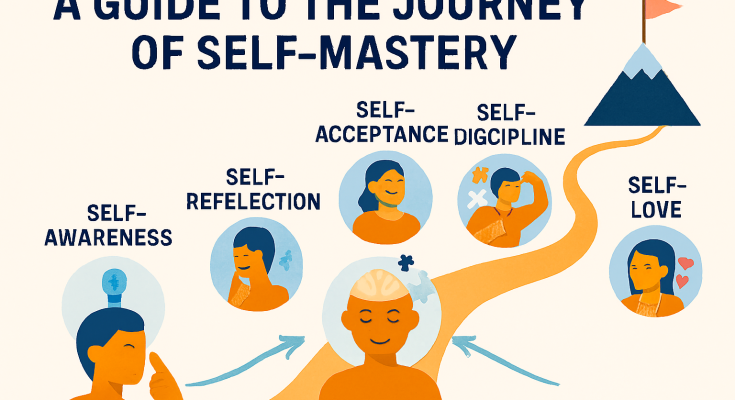
Self-mastery is not a destination. it’s a lifelong journey that shapes you into a stronger individual and an effective leader. To master yourself is to master your emotions, thoughts, habits, and physical actions. But self-mastery goes beyond personal discipline; it also involves cultivating resources, building influence, and developing inner strengths that ensure lasting success.
This path requires consistency. Once you begin, you cannot pause or step back. By practicing daily, you gain control of your life, expose hidden strengths, and identify weaknesses you never knew existed. The principles of self-mastery are timeless when applied, they transform you into the kind of leader people willingly follow. #risedaily
Competency and Self-Mastery
To truly master yourself, competency is key. Competency is built on knowledge, and knowledge is earned through experiences, lessons, and challenges. Each fact learned, and every situation faced, adds to your recognition and skill, pushing you closer to mastering your abilities.
In today’s world, especially in business, self-mastery has become a critical requirement. Employers and employees alike are expected to continuously grow and adapt. A lack of professionalism and self-discipline often leads to conflicts, failures, and even major financial collapses. For instance, the instability in the Mexican financial system once caused investors to withdraw, all due to poor leadership and lack of structure. The lesson is clear without self-mastery, even the most powerful positions can crumble. #risedaily
Self-Mastery and Control
Mastering yourself means learning control not over others, but over your own emotions, behaviors, and impulses. People often labeled as “control freaks” struggle because they try to control others instead of mastering themselves.
True self-control comes from willpower. Willpower develops discipline, which pushes away temptations and helps you stay focused on your goals. By setting clear boundaries, avoiding destructive habits, and practicing consistency, you strengthen your will to act correctly even when distractions surround you.
Self-control is not the same for everyone. Personal struggles, past experiences, and emotional baggage can either strengthen or weaken one’s ability to control their actions. But with practice, anyone can sharpen this skill and use it as a tool for growth. #risedaily
Philosophies Behind Self-Mastery
The study of self-mastery is not new it has been discussed by philosophers, scientists, and thinkers for centuries. Ancient psychology, philosophy, and even archaeological findings all point to the harmony of mind and body. René Descartes’ famous theory of Cartesian Dualism explains that both mind and body must be aligned for a person to reach true mastery.
By studying the wisdom of past philosophers and the findings of modern psychology, we can see that self-mastery is not just about discipline it is about understanding how the body and mind interact. This holistic approach allows us to nurture growth, mature emotionally, and unlock our highest potential.
Fear and Self-Mastery
Fear is one of the greatest barriers to self-mastery. Many people let fear control their decisions, emotions, and actions. To overcome this, we must first understand our perceptions and how they shape our responses.
Stress management is essential here. By learning coping strategies, building motivation, and controlling emotions, we gradually remove fear’s influence. Self-mastery demands that we remain consistent never stopping even when challenges arise.
Another key obstacle is selective hearing: many people only hear what they want to hear. This limits growth. Real mastery means listening carefully, perceiving correctly, and adapting based on reality not assumptions. #risedaily
Issues in Self-Mastery and Finding Help
Sometimes, our own expectations become roadblocks. We may expect too much from ourselves or others, leading to disappointment and frustration. To overcome this, it’s important to adjust mental patterns and reframe perspectives.
Self-mastery also means seeking guidance. Whether it’s through books, libraries, mentors, support groups, or even online resources, help is always available. Doctors, coaches, or even communities can guide us toward mental, emotional, and physical balance.
Ultimately, the answers are within us, but we need the right tools and guidance to uncover them. Sorting through experiences, knowledge, and emotions allows us to find clarity and continue the journey forward.
Nurturing, Maturing, and Growth
Self-mastery also requires us to understand the difference between nurturing and maturing.
- Nurturing is the process of encouraging, developing, and cultivating new habits and skills.
- Maturing is the process of growing stronger, wiser, and more resilient.
Both are essential. Along this path, challenges and stress are inevitable. During such times, nurturing yourself through exercise, meditation, or mindfulness helps restore balance. Activities like yoga, workouts, or even simple walks strengthen not only the body but also the mind.
By balancing nurturing and maturing, you build resilience and ensure that your growth continues smoothly.
Parenting and Self-Mastery
Parenting is one of the greatest tests of self-mastery. When children push boundaries, stress levels rise, and it becomes easy to lose control. Yet, parents who practice self-mastery know how to keep calm, set boundaries, and maintain balance.
Simple steps such as walking away when angry, exercising to relieve stress, or practicing patience can make all the difference. Without these skills, unmanaged emotions can lead to breakdowns, conflicts, or worse. Parenting teaches us that self-mastery is not optional it’s necessary for harmony.
Conclusion
Self-mastery is a lifelong process one that shapes your identity, strengthens your leadership, and builds resilience. It helps you form healthier relationships, adapt to challenges, and live a more fulfilling life.
The journey requires discipline, willpower, nurturing, and maturity. It demands that you confront fear, control your emotions, and remain consistent. By practicing daily and seeking guidance when needed, you unlock the strengths hidden within you.
In the end, the laws of self-mastery reveal both your strengths and weaknesses. But it is within these discoveries that you find the power to rise, grow, and succeed. #risedaily