

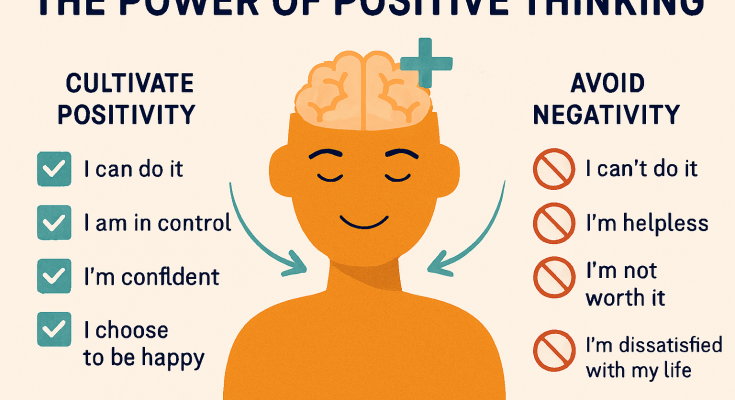
Positive thinking is often described as the foundation of self-improvement and personal growth. Chances are, at some point in your life, someone has advised you to “think positive” during a tough situation. While this may sound cliché, the truth is that the power of positive thinking is a belief that has stood the test of time and for good reason.
When you radiate positive energy, it not only impacts your own life but also influences the people and environment around you. Simply put: what you put out into the world eventually comes back to you. This cycle of optimism and energy can reshape your mindset, your habits, and even your future.
In this post, we’ll explore the meaning of positive thinking, how it works, the child-like approach to positivity, its influence on body language, common threats to maintaining it, and practical ways you can start living a more positive life today.
What Exactly Is Positive Thinking?
At its core, positive thinking means focusing on good thoughts and maintaining an optimistic outlook. A true positive thinker doesn’t dwell on the negatives. Instead, they actively look for the brighter side, even in difficult situations.
Rather than asking, “What if everything goes wrong?” a positive thinker asks, “What if everything turns out right?” This mindset doesn’t eliminate challenges from life, but it changes how you respond to them.
- When something bad happens: A positive thinker avoids falling into despair. They focus on solutions instead of problems.
- When energy feels low: They do things that re-energize them, rather than giving in to laziness or sadness.
- When life gets messy: They remind themselves that growth often comes through challenges.
Positive thinking isn’t about ignoring reality it’s about choosing a perspective that empowers you rather than drags you down.
Learning From Children: A Fresh Perspective
One of the best ways to understand positivity is to observe children. Kids are natural positive thinkers. They see life as an adventure, are eager to try new things, and don’t let fear stop them from exploring.
Here are a few child-like habits worth adopting:
- Explore new things. Instead of avoiding the unknown, step into it.
- Embrace challenges. Kids see challenges as games fun opportunities to learn.
- Don’t fear the mess. Growth can be messy, but it’s part of the process.
- Break a few rules. Sometimes defying limits can spark joy and creativity.
- Use imagination. Pretending and daydreaming can fuel positivity and inspiration.
Children naturally focus on joy, curiosity, and discovery. As adults, we often lose that spark due to responsibilities. But by slowing down, “smelling the roses,” and living in the moment, we can recapture some of that child-like positivity.
Why Is Positive Thinking So Powerful?
The power of positive thinking works on three levels:
- Your inner self. It transforms your mindset and helps you stay motivated.
- Your relationships. It influences how others treat you, often making them more helpful and kind.
- Your environment. Positivity changes how you perceive the world around you.
When you think positively, you begin to notice opportunities instead of obstacles. This doesn’t mean life will magically become perfect, but it does mean you’ll be equipped to handle challenges with strength and hope.
Your energy also affects others. People are naturally drawn to positivity. Smiling at a stranger, for example, often results in them smiling back and that ripple effect spreads.
Positive Thinking and Body Language
Your body language says more about your mindset than your words sometimes do. From facial expressions to posture, the way you carry yourself reflects your inner state.
If you’re working on cultivating positivity, your body language must align with your thoughts. For example:
- Smiling: A simple smile can change someone’s day and create a chain reaction of positivity.
- Posture: Standing tall with open gestures communicates confidence and optimism.
- Eye contact: Shows engagement and builds trust with others.
The alignment of positive thoughts and positive body language makes your optimism more believable and impactful.
The Greatest Threat to Positive Thinking
Surprisingly, negativity itself isn’t the biggest enemy of positive thinking excuses are.
Excuses give negativity a backdoor into your life. Every time you make an excuse, you justify why you can’t move forward. In reality, excuses are just disguised negative thoughts.
To harness the power of positive thinking, you need to eliminate excuses. Whenever you catch yourself making one, pause and ask:
- Why am I making this excuse?
- What benefit does it really bring me?
- Am I using it to avoid responsibility or positive action?
By identifying excuses, you cut off negativity before it takes root.
Practical Ways to Train Your Mind for Positivity
Shifting from negative to positive thinking doesn’t happen overnight. It takes effort, consistency, and practice. Here are some proven strategies:
- Read uplifting content: Books, blogs, or quotes that inspire optimism.
- Use visualization: Imagine yourself succeeding and living positively.
- Choose positive words: Replace negative self-talk with affirmations.
- Smile more often: A natural way to boost your mood and influence others.
- Set small goals: Like complimenting someone daily or smiling at strangers.
- Avoid negative influences: Surround yourself with people and environments that encourage positivity.
- Confront fears: Facing fears often reveals they’re less scary than imagined.
- Watch your emotions: Focus on feelings of strength and happiness.
Positive thinking is a lifestyle, much like a healthy diet. Just as you’d avoid junk food while dieting, you must avoid negative influences when adopting positivity.
A Real-Life Example: John’s Story
To see the power of positive thinking in action, consider John’s experience.
He was going through a difficult divorce, overwhelmed with stress, depression, and worry about his future. He struggled with sleep, health, and his relationship with his children.
Then, John discovered the concept of positive thinking. Instead of drowning in negativity, he began replacing fearful thoughts with hopeful ones. He stood firm in negotiations, spent quality time with his children, and focused on the opportunities his new life offered.
In the end, John not only survived the divorce but came out stronger, happier, and more resilient. His story proves that even in the darkest times, positive thinking can be a lifeline.
Final Thoughts
The power of positive thinking is not just a theory. it’s a practical tool that can reshape your life. By choosing optimism over negativity, you unlock opportunities, strengthen relationships, and build resilience in the face of challenges.
Whether it’s through child-like curiosity, conscious effort to eliminate excuses, or simply smiling more often, positivity can become a natural part of your lifestyle.
Remember: positive thinking isn’t about ignoring difficulties. It’s about embracing the belief that solutions exist, opportunities are possible, and life is worth living with optimism.
Once you begin practicing it consistently, you’ll notice how your outlook, your relationships, and even your environment start to change for the better. The power of positive thinking is real and it’s waiting for you to put it to work in your life.